



Responsible: prof. Jiří Máca, dean
To provide the best experiences, we and our partners use technologies like cookies to store and/or access device information. Consenting to these technologies will allow us and our partners to process personal data such as browsing behavior or unique IDs on this site and show (non-) personalized ads. Not consenting or withdrawing consent, may adversely affect certain features and functions.
Click below to consent to the above or make granular choices. Your choices will be applied to this site only. You can change your settings at any time, including withdrawing your consent, by using the toggles on the Cookie Policy, or by clicking on the manage consent button at the bottom of the screen.
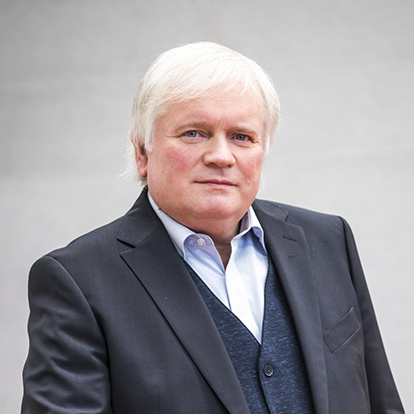
děkan FSv
Mezi jeho koníčky patří turistika, má rád rakouské a švýcarské Alpy, ale také klid v Krušných horách a na Krétě. Z historie ho zajímá středověk, rád putuje po vinicích a sklepích, oblíbenou odrůdou je Kerner.
Akademický senát fakulty je samosprávným zastupitelským orgánem. Jeho členy volí ze svých řad členové akademické obce (akademičtí pracovníci fakulty a studenti všech studijních programů, které jsou zde uskutečňovány). Senát Fakulty stavební má 30 členů, voleni jsou přímou a tajnou volbou. Senát má dvě komory; komora akademických pracovníků má na Fakultě stavební 18 členů, studentská komora má 12 členů, jeho funkční období je tříleté.
Senát se např. usnáší o návrhu na jmenování děkana, schvaluje podmínky pro přijetí ke studiu, na návrh děkana rozhoduje o zřízení, sloučení, splynutí, rozdělení nebo zrušení fakultních pracovišť, schvaluje návrhy vnitřních předpisů fakulty a rozdělení finančních prostředků a kontroluje jejich využívání.
Vědecká rada je samosprávným orgánem fakulty. Věnuje se zejména oblasti vědecké, výzkumné a další tvůrčí činnosti fakulty. Jejím předsedou je děkan, který svolává zasedání. Funkční období rady je čtyřleté, členy jmenuje děkan se souhlasem akademického senátu. Nejméně třetina členů musí být mimo akademickou obec ČVUT, jde o významné představitele oborů, jimž se fakulta v rámci svojí činnosti věnuje.
Rada v rámci svojí práce projednává strategický záměr fakulty, schvaluje návrhy studijních programů v rámci fakulty, předkládá rektorovi záměry žádostí o akreditaci, rozšíření akreditace nebo prodloužení doby platnosti akreditace studijních programů a oborů habilitačního řízení a řízení ke jmenování profesorem a působí v řízení ke jmenování profesorem a v habilitačním řízení.
Disciplinární komise je fakultní orgán. Jejím úkolem je projednávat disciplinární přestupky studentů fakulty, jako je plagiátorství či podvádění u zkoušky. Svoje návrhy na rozhodnutí předkládá komise děkanovi fakulty.
Komisi tvoří zaměstnanci a studenti fakulty, funkční období jejích členů je dvouleté. Jednání a rozhodování komise jsou neveřejná.
Činnost komise se řídí disciplinárním řádem ČVUT:
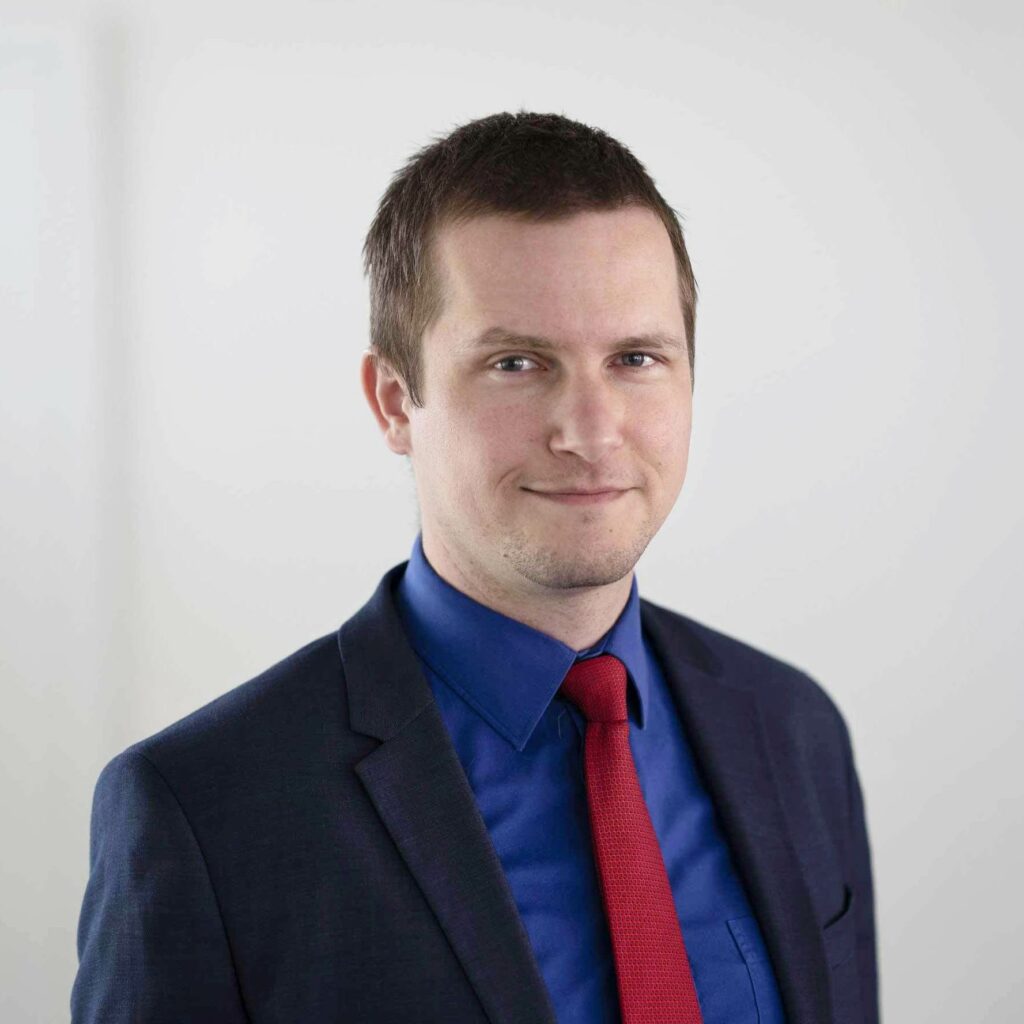
tajemník FSv
Má dvě malé děti a veškerý volný čas věnuje rodině. Zajímá se o moderní technologie, a kdyby měl více času, jeho část by věnoval i počítačovým hrám. Baví ho zabývat se hledáním objektivně nejlepších možných řešení různých situací. Duší je pedagog, kterého těší šířit a sdílet poznání všeho druhu.
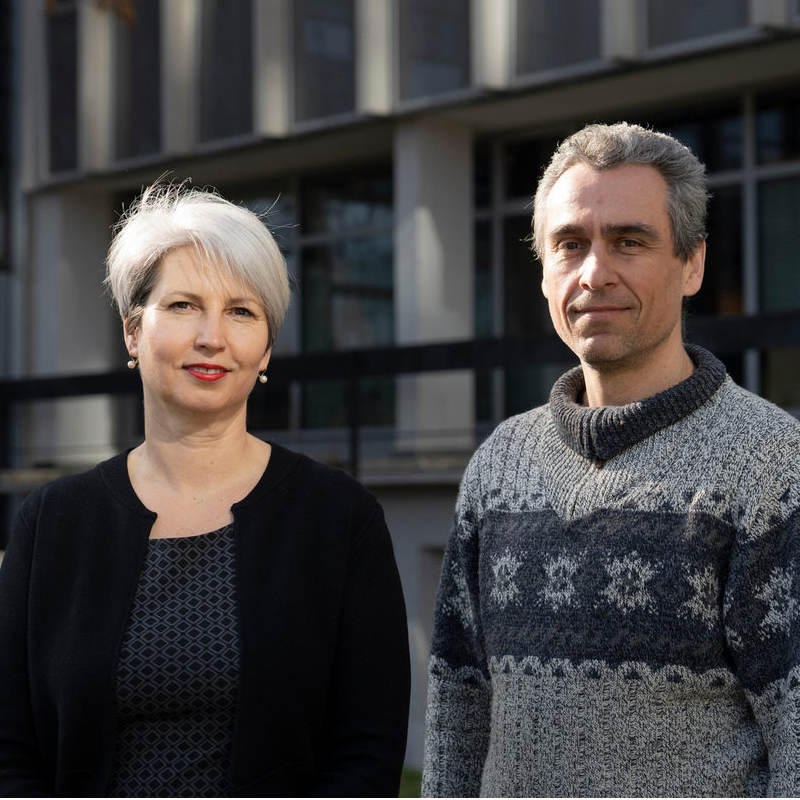
ombudsmani
Rolí ombudsmanů je pomáhat vytvářet rovné, vstřícné a bezpečné prostředí pro studium a vyhodnocovat podněty studentů. Tyto podněty se mohou týkat záležitostí, které nelze řešit v rámci standardů fakulty. Nabízí pomoc při řešení nerovného, nespravedlivého a nekorektního jednání, otázek diskriminace a bezpečného prostředí. Ombudsmani mohou pomoci s formulováním oznámení, zprostředkováním či uskutečněním mediačního setkání.
Ombudsmani nemají rozhodovací pravomoc, nemohou zasahovat do akademických procesů, snaží se působit rovněž preventivně.
Pro práci ombudsmana je zásadní neutralita, nezávislost, nestrannost. Komunikace se studenty je důvěrná. Cíl, ke kterému jednání ombudsmanů vždy směřuje, je dohoda.
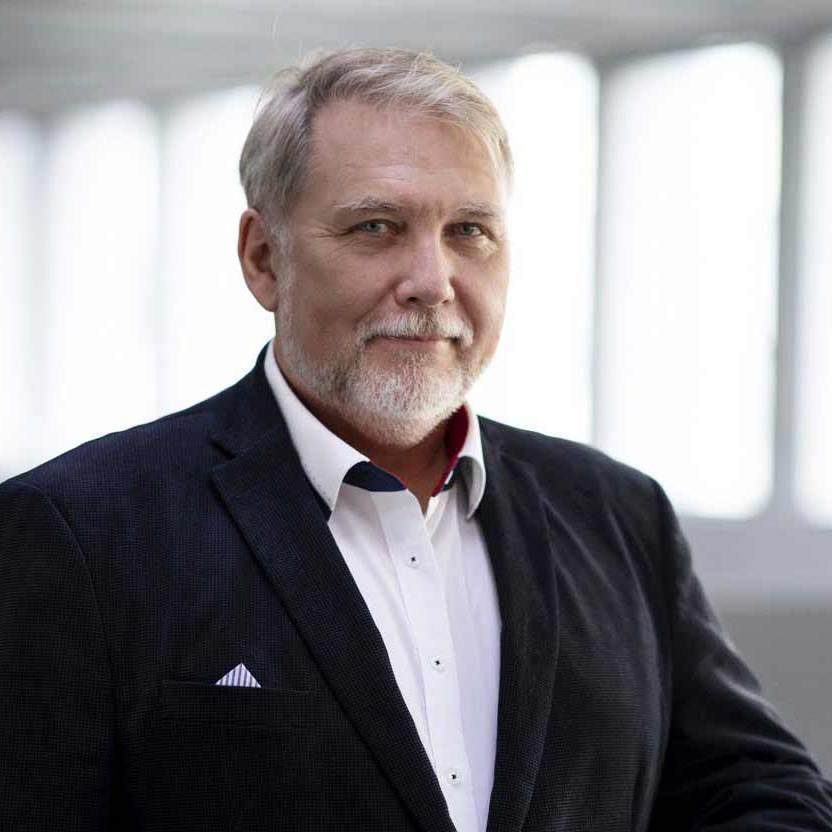
proděkan pro rozvoj a vnější vztahy
zástupce děkana
K zálibám patří individuální cestování, s oblibou navštěvuje místa spojená s filmovými a literárními příběhy mimo turistické lokality, ale zároveň si rád odpočine při práci na svojí chalupě v Podkrkonoší. Relaxovat umí i s knihou, upřednostňuje klasické sci-fi a autory jako třeba A. C. Clarke, Brian W. Aldiss nebo Ray Bradbury.
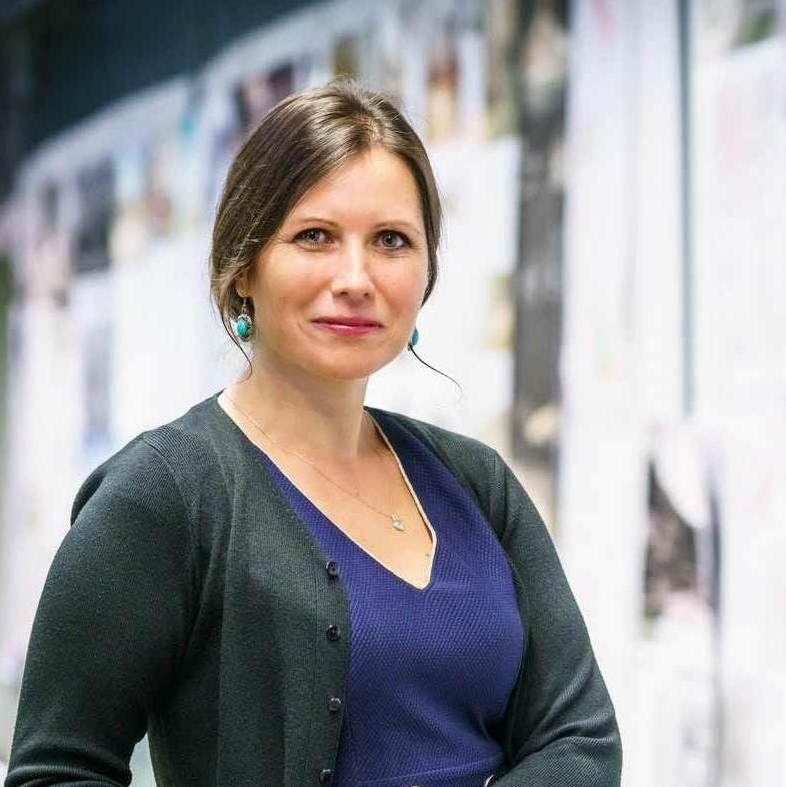
proděkanka pro pedagogickou činnost
V oblibě má děti a také zvířata všeho druhu, zejména koně a psy. Má řadu zálib. Patří sem kromě jiného knihy, a to od jejich výroby až po přečtení, a kreativní práce všeho druhu. Zabývá se keramikou, kreslením, fotografováním, vařením i šitím. Slabostí jsou sladkosti a černá káva.
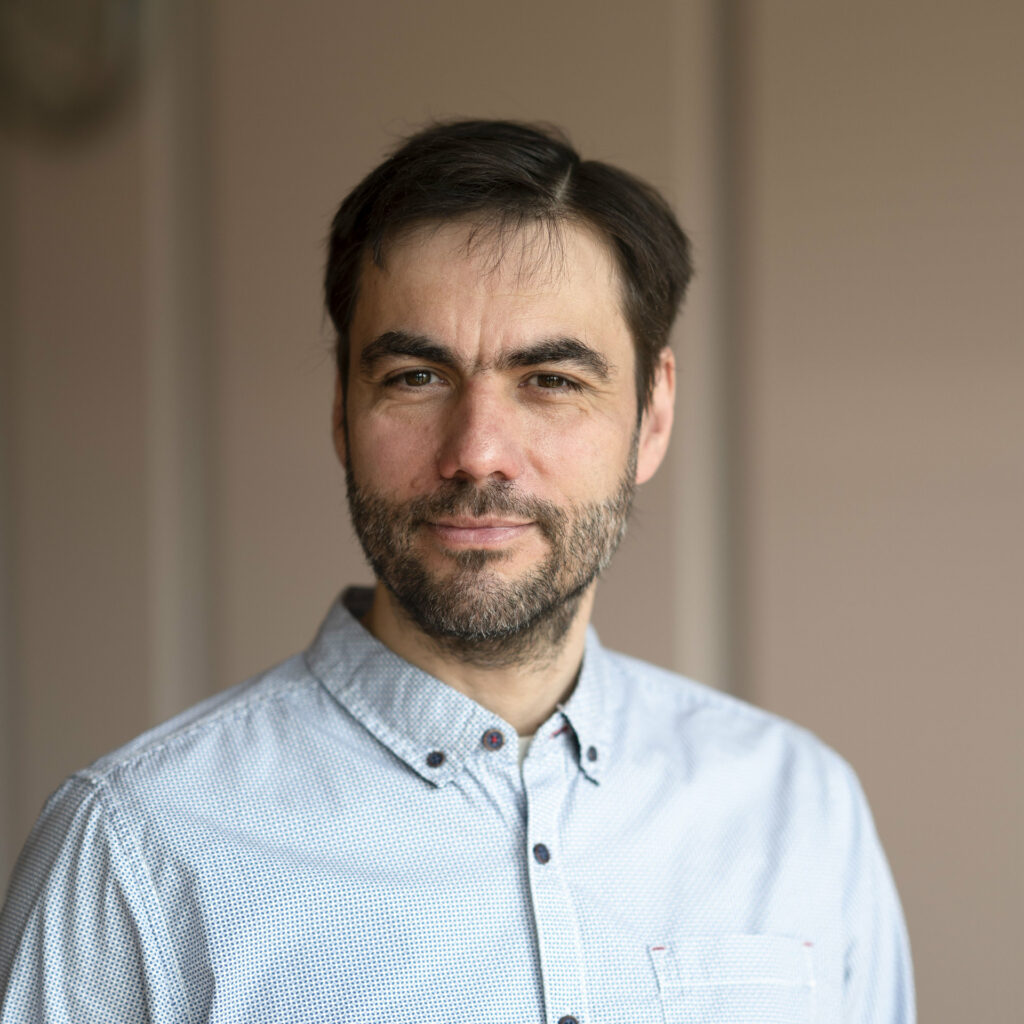
proděkan pro vědu a výzkum
Zapálený hobby běžec, užívá si i turistiku, rád vyráží do přírody a zejména do hor. Také včelaří, na fakultě organizuje včelařský kroužek (CTU Bees), takže máme svůj originální fakultní med.
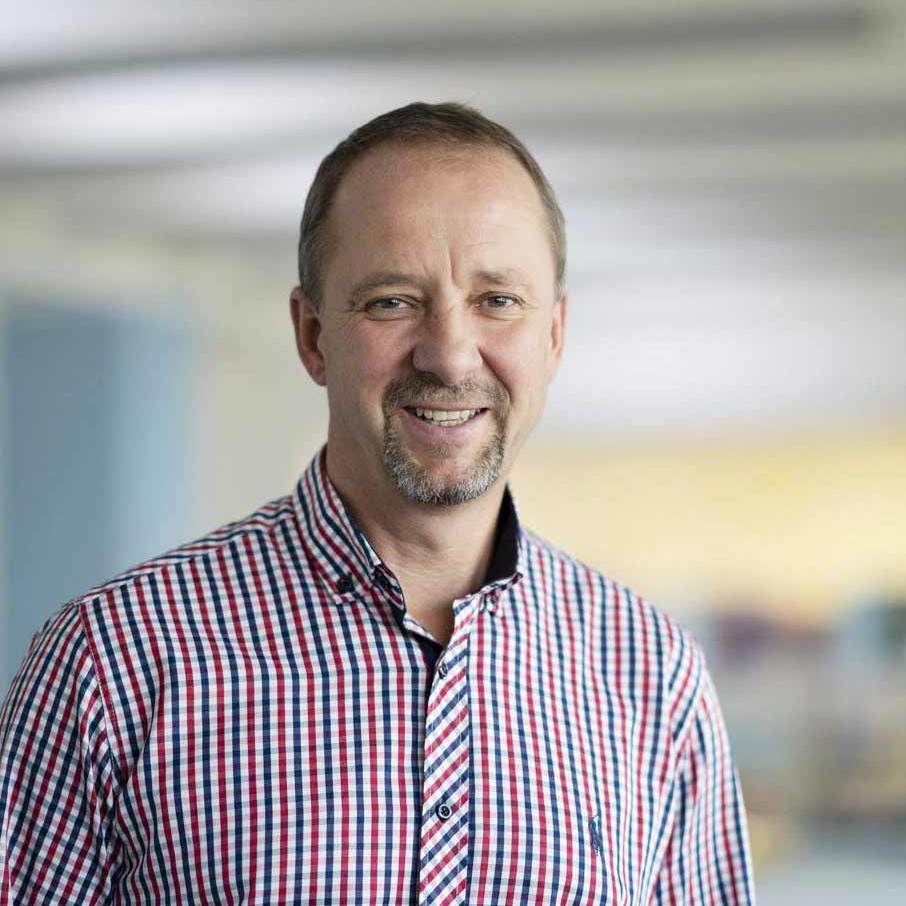
proděkan pro zahraniční vztahy
Záliba v astronomii a mapách ho přivedla i ke studiu na fakultě. Kromě toho miluje hory, sníh a led, s mezinárodním týmem stanoval v zimě v Norsku, několikrát navštívil Island a Grónsko. Toulal se v Patagonii, v Andách málem zahynul na masivu Huascaránu. Aby si čistil hlavu od administrativy, věnuje se ve volném čase koním.
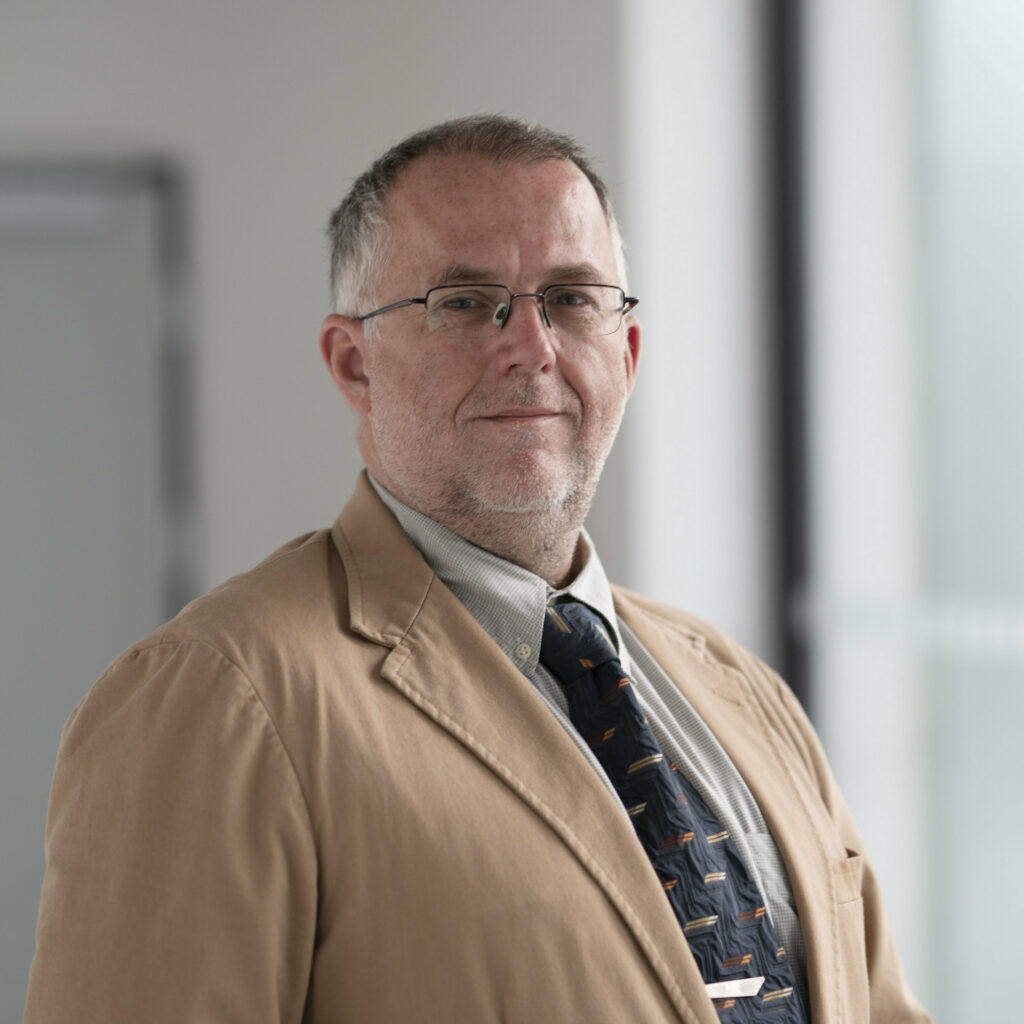
proděkan pro výstavbu a investiční činnost
Rád a pravidelně se vrací na Šumavu, odkud pochází. Profesně se často pohybuje v lokalitách Jizerských, Krušných nebo Doupovských hor, na Šumavě i v Českém lese, kde se snaží propojit práci i odpočinek v přírodě. Ze zálib se v poslední době věnuje sbírání starých odborných knih o vodohospodářských stavbách a stavebních konstrukcích.
